


Blog

  • Bold Accessory Statement: How Statement Accessories Transform Modern Fashion

    Bold Accessory Statement: How Statement Accessories Transform Modern Fashion

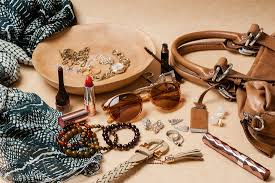
    Fashion is not only about clothing; it is about expressing individuality and personality. One of the most powerful ways to elevate an outfit is through a bold accessory statement. Statement accessories instantly transform simple outfits into memorable fashion looks. Whether it is oversized jewelry, dramatic handbags, eye-catching belts, or designer sunglasses, accessories play a central role in modern fashion styling.

    Major fashion houses such as Gucci, Chanel, Louis Vuitton, and Prada have built global influence by showcasing statement accessories on runways and in luxury collections. A bold accessory statement does more than complete an outfit; it defines the entire look. In today’s digital fashion culture driven by platforms like Instagram and Pinterest, statement accessories have become essential tools for creating visually striking styles.

    What Is a Bold Accessory Statement?

    A bold accessory statement refers to the use of distinctive, attention-grabbing accessories that stand out within an outfit. Instead of blending in, these accessories act as focal points. Fashion icons and designers often use this styling approach to add personality and creativity to their looks.

    For example, a minimalist black dress can be completely transformed with a large necklace from Tiffany & Co. or dramatic earrings inspired by runway collections from Versace. The purpose is to draw attention to the accessory while enhancing the overall fashion aesthetic.

    Statement accessories typically feature unique shapes, bright colors, oversized proportions, or luxury branding. These elements make them visually powerful and memorable.

    The History of Statement Accessories in Fashion

    Statement accessories have existed throughout fashion history. In the early 20th century, influential designers like Coco Chanel revolutionized the fashion world by introducing bold costume jewelry that complemented elegant clothing. Her designs encouraged women to experiment with oversized pearls and layered necklaces.

    Later, designers such as Gianni Versace popularized dramatic gold jewelry and extravagant accessories during the 1980s and 1990s. These bold designs became symbols of luxury and glamour.

    Today, fashion designers like Alessandro Michele of Gucci continue this legacy by blending vintage inspiration with modern creativity. Statement accessories now appear across luxury runways, street fashion, and influencer style culture.

    Types of Bold Statement Accessories

    Oversized Jewelry

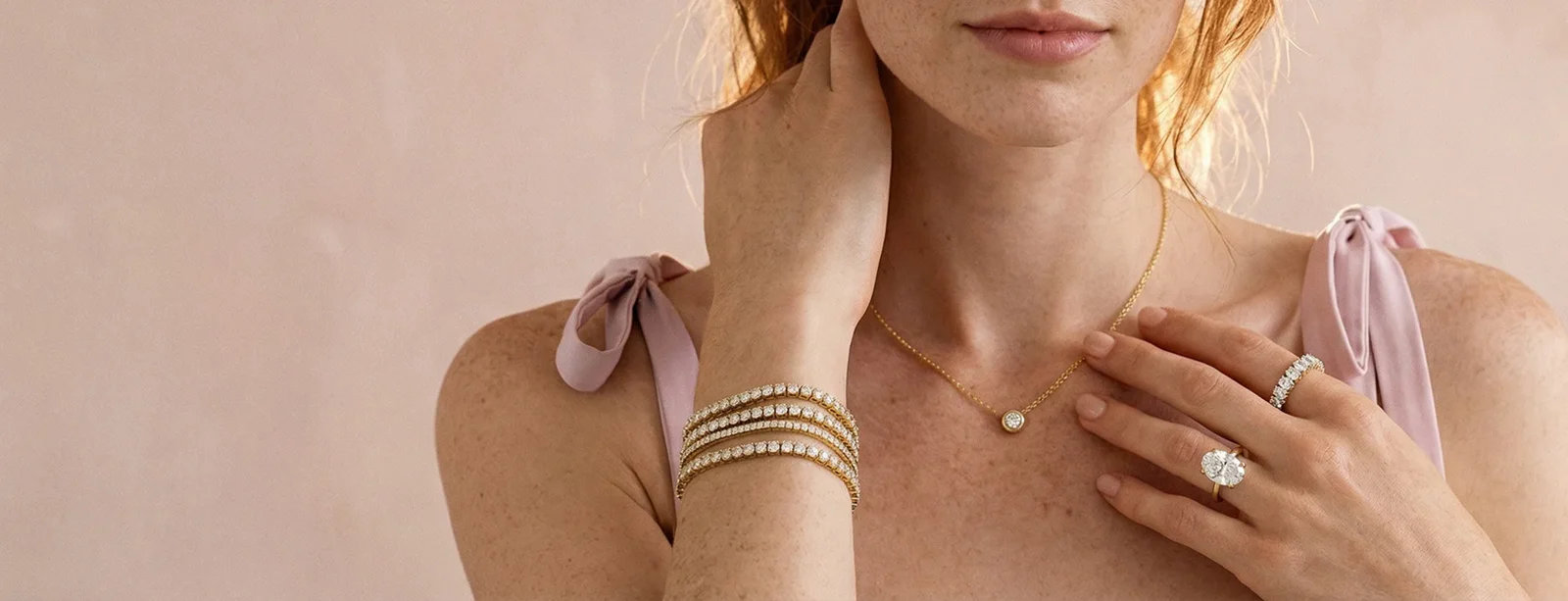
    Oversized jewelry is one of the most recognizable examples of a bold accessory statement. Large earrings, chunky necklaces, and dramatic rings instantly capture attention.

    Luxury brands such as Cartier and Bvlgari create iconic jewelry collections that often serve as statement pieces. These accessories work especially well with simple clothing, allowing the jewelry to become the highlight of the outfit.

    Statement Handbags

    Designer handbags frequently act as statement accessories. Luxury brands including Hermès and Louis Vuitton produce bags that are recognized globally for their bold designs and distinctive logos.

    A brightly colored handbag or uniquely shaped clutch can elevate everyday fashion and add personality to casual outfits. Fashion influencers often build entire looks around a single designer bag.

    Bold Sunglasses

    Sunglasses are another powerful accessory that can define a fashion look. Iconic eyewear brands such as Ray-Ban and Oakley offer distinctive frames that become statement pieces.

    Oversized frames, geometric shapes, or tinted lenses can dramatically change the appearance of an outfit while also providing functional eye protection.

    Statement Belts

    Belts are often overlooked in fashion, yet they can create a strong style statement. Designers like Dolce & Gabbana and Balenciaga frequently showcase bold belts with large logos or decorative buckles.

    A statement belt can transform simple jeans or dresses into stylish outfits by adding visual structure and luxury appeal.

    How Designers Use Bold Accessory Statements on Runways

    Fashion runways often highlight statement accessories as essential elements of a collection. Events like Paris Fashion Week, Milan Fashion Week, and New York Fashion Week frequently showcase bold accessories that set upcoming fashion trends.

    Designers intentionally use oversized earrings, colorful bags, and dramatic footwear to create memorable runway looks. These accessories help define the theme of the collection and attract media attention from publications such as Vogue and Harper’s Bazaar.

    Once runway collections are released, fashion influencers and celebrities quickly adopt the accessories, making them viral fashion trends.

    Celebrity Influence on Bold Accessory Trends

    Celebrities have enormous influence on fashion trends, especially when it comes to statement accessories. Stars like Rihanna, Zendaya, and Lady Gaga frequently wear bold accessories that capture global attention.

    For instance, Rihanna often pairs oversized sunglasses and dramatic jewelry with streetwear, creating distinctive fashion moments. Similarly, Zendaya collaborates with stylist Law Roach to create striking red carpet looks featuring unique accessories.

    These celebrity appearances often influence consumer demand and inspire fashion brands to produce similar designs.

    Styling Tips for Creating a Bold Accessory Statement

    Creating a bold accessory statement requires balance and thoughtful styling. The goal is to highlight the accessory without overwhelming the entire outfit.

    First, start with simple clothing. Minimal outfits allow statement accessories to stand out clearly. A neutral outfit paired with bold jewelry or a luxury handbag creates a sophisticated yet dramatic effect.

    Second, choose one focal accessory. Wearing too many bold pieces at once can make the outfit look cluttered. Instead, select one standout item such as a large necklace or designer belt.

    Third, experiment with color contrast. Bright accessories paired with neutral clothing can create visually striking combinations. Fashion stylists often use this technique to add excitement to minimalist wardrobes.

    Finally, consider proportion and scale. Oversized accessories work best when balanced with tailored or streamlined clothing.

    The Role of Social Media in Statement Accessory Trends

    Social media platforms have dramatically accelerated fashion trends. Apps such as TikTok and Instagram allow influencers and fashion creators to showcase bold accessories to millions of followers.

    Short-form fashion videos often highlight styling techniques, designer handbags, and dramatic jewelry pieces. These platforms enable smaller brands to gain recognition and compete with luxury fashion houses.

    Fashion bloggers and influencers frequently share outfit inspiration featuring statement accessories, encouraging followers to experiment with bold styles.

    Sustainable Fashion and Statement Accessories

    Sustainability has become an important topic in the fashion industry. Many designers are now producing statement accessories using ethical materials and environmentally friendly practices.

    Brands like Stella McCartney are known for creating luxury accessories without using animal leather. Instead, they focus on innovative materials and sustainable production methods.

    Vintage accessories are also gaining popularity as sustainable fashion choices. Consumers often search for unique statement pieces from past collections, especially from brands like Chanel and Dior.

    This approach reduces fashion waste while allowing individuals to own distinctive accessories that cannot be easily replicated.

    Future Trends in Bold Accessory Fashion

    The future of fashion will likely continue emphasizing bold accessory statements. Designers are increasingly experimenting with technology, digital fashion, and customizable accessories.

    Smart fashion accessories connected to wearable technology may become more common, especially as technology companies collaborate with luxury brands. Companies like Apple have already introduced wearable devices such as the Apple Watch, which blends technology with fashion design.

    In addition, digital fashion platforms and virtual styling tools will allow consumers to experiment with accessories before purchasing them.

    Conclusion

    A bold accessory statement remains one of the most effective ways to elevate personal style. From oversized jewelry to designer handbags and statement belts, these accessories define modern fashion aesthetics. Influential brands such as Gucci, Prada, and Louis Vuitton continue to push creative boundaries with innovative accessory designs.

    With the influence of celebrities, fashion runways, and social media platforms like Instagram, statement accessories are more popular than ever. Whether styled for everyday outfits or luxury fashion events, bold accessories allow individuals to express creativity, confidence, and personal identity through fashion.

  • Designer Footwear Styles: Trends, Luxury Brands, and Timeless Fashion

    Designer Footwear Styles: Trends, Luxury Brands, and Timeless Fashion

    Designer footwear styles represent the perfect blend of craftsmanship, innovation, and luxury fashion. From elegant heels to statement sneakers, designer shoes have become an essential part of modern wardrobes. Luxury fashion houses continuously introduce new styles that combine creativity with functionality, making footwear not just a necessity but a fashion statement. Brands such as Gucci, Christian Louboutin, Jimmy Choo, and Prada have played a significant role in shaping global designer footwear trends.

    In today’s fashion industry, designer footwear styles are influenced by celebrity culture, runway fashion, and streetwear trends. Designers introduce bold colors, innovative materials, and unique silhouettes to attract fashion-conscious consumers. Whether it is the iconic red soles of Christian Louboutin or the bold sneakers from Balenciaga, designer footwear remains a symbol of luxury and status.

    The Evolution of Designer Footwear

    Designer footwear has evolved significantly over the decades. Historically, shoes were primarily functional items designed for protection and comfort. However, as fashion evolved, footwear became an important element of personal style and luxury fashion.

    In the 20th century, designers such as Salvatore Ferragamo revolutionized footwear design by introducing innovative materials and ergonomic shoe construction. His work influenced many luxury brands including Ferragamo and Versace.

    Later, the global fashion capitals like Paris, Milan, and New York City became the center of luxury footwear innovation. Fashion events such as Paris Fashion Week and Milan Fashion Week showcase the latest designer footwear styles every year.

    Popular Types of Designer Footwear Styles

    Luxury High Heels

    High heels remain one of the most iconic categories in designer footwear. Brands like Christian Louboutin and Manolo Blahnik have mastered the art of elegant heels. These shoes often feature premium materials such as Italian leather, suede, and satin.

    The famous red-soled heels from Christian Louboutin are recognized worldwide and have become a symbol of sophistication. Many celebrities, including Kim Kardashian and Beyoncé, frequently wear these luxury heels on red carpets.

    Designer Sneakers

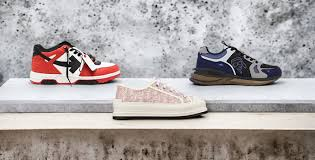
    Designer sneakers have become a dominant trend in modern fashion. Luxury brands have embraced streetwear culture by introducing stylish sneakers that combine comfort with high-end aesthetics. Brands such as Balenciaga, Louis Vuitton, and Alexander McQueen offer sneakers that are highly sought after by fashion enthusiasts.

    For example, the oversized sneaker trend popularized by Balenciaga became a global fashion phenomenon. These sneakers are often paired with casual outfits and luxury streetwear pieces from brands like Off-White.

    Designer Boots

    Boots are another essential category in designer footwear styles. Luxury brands produce boots that range from sleek ankle boots to dramatic thigh-high designs. Saint Laurent and Prada are known for their stylish leather boots.

    Many designer boots are crafted using premium leather sourced from Italy and Spain. The craftsmanship behind these shoes reflects the heritage of European fashion houses based in Florence and Madrid.

    Luxury Loafers

    Loafers represent timeless elegance and comfort. Designer loafers from brands such as Gucci are particularly famous. The iconic horsebit loafer introduced by Gucci became a staple in luxury fashion.

    These shoes are popular among professionals and fashion influencers. Celebrities like Harry Styles and Gigi Hadid have been spotted wearing designer loafers in fashion campaigns and public appearances.

    Materials Used in Designer Footwear

    One of the defining features of designer footwear styles is the use of high-quality materials. Luxury brands focus on premium craftsmanship and innovative materials to create durable and stylish shoes.

    Italian leather is widely regarded as one of the finest materials in the footwear industry. Brands such as Bottega Veneta and Tod’s rely heavily on Italian leather to produce their signature footwear collections.

    Suede, velvet, and exotic skins are also commonly used in luxury footwear design. However, many brands are now moving toward sustainable materials as environmental concerns grow in the fashion industry.

    The Influence of Fashion Weeks on Designer Footwear

    Fashion weeks play a critical role in setting global footwear trends. Events such as New York Fashion Week, Paris Fashion Week, and London Fashion Week provide a platform for designers to present innovative footwear styles.

    Luxury houses like Chanel and Dior often unveil exclusive shoe collections during these prestigious events. Fashion editors, influencers, and buyers from around the world attend these shows to identify emerging trends.

    Designer Footwear and Celebrity Culture

    Celebrity endorsements significantly impact designer footwear trends. When influential celebrities wear specific designer shoes, those styles often become instantly popular.

    For instance, Rihanna frequently collaborates with major fashion brands, influencing global fashion trends. Similarly, Zendaya is known for wearing statement footwear from brands like Valentino.

    Social media platforms such as Instagram and TikTok further amplify these trends, allowing designer footwear styles to reach global audiences instantly.

    Sustainable Designer Footwear

    Sustainability has become a major focus in the fashion industry. Many luxury brands are now adopting environmentally responsible practices to reduce their carbon footprint.

    Brands like Stella McCartney have pioneered cruelty-free and sustainable footwear. Instead of traditional leather, these brands use innovative materials such as recycled fabrics and plant-based alternatives.

    Additionally, organizations such as Fashion Revolution advocate for transparency and sustainability in the fashion supply chain.

    How to Choose the Right Designer Footwear

    Selecting the right designer footwear involves considering several factors including style, comfort, and occasion. High heels may be ideal for formal events, while designer sneakers are perfect for casual wear.

    When investing in luxury footwear, it is important to focus on craftsmanship and brand heritage. Brands like Hermès and Gucci are known for their exceptional quality and timeless designs.

    Buyers should also pay attention to proper sizing and foot support. Many luxury brands offer custom fittings to ensure maximum comfort and durability.

    The Future of Designer Footwear Styles

    The future of designer footwear styles will likely be shaped by technology, sustainability, and evolving fashion trends. Innovations such as 3D printing and smart materials are already being explored by forward-thinking brands.

    Fashion houses like Nike and Adidas are integrating advanced technologies into their footwear designs, creating shoes that combine performance with luxury aesthetics.

    At the same time, luxury fashion brands will continue to emphasize craftsmanship and exclusivity. As consumer preferences evolve, designer footwear will remain a central element of global fashion culture.

    Conclusion

    Designer footwear styles represent more than just fashion accessories; they symbolize artistry, craftsmanship, and personal expression. From elegant heels and stylish sneakers to timeless loafers and statement boots, designer shoes continue to influence global fashion trends.

    Luxury fashion houses such as Gucci, Prada, Balenciaga, and Christian Louboutin remain at the forefront of footwear innovation. With the growing influence of digital media, celebrity culture, and sustainable fashion initiatives, designer footwear styles will continue evolving while maintaining their legacy of luxury and elegance.

  • Seasonal Fashion Must-Haves: A Complete Guide to Year-Round Style

    Seasonal Fashion Must-Haves: A Complete Guide to Year-Round Style

    Fashion changes with the seasons, and staying stylish throughout the year requires adapting your wardrobe to different climates, trends, and occasions. Seasonal fashion must-haves are essential pieces that keep your wardrobe functional, fashionable, and versatile regardless of the time of year. From cozy winter coats to breezy summer dresses, building a wardrobe with the right seasonal essentials ensures that you always look polished and prepared.

    Many global fashion brands and designers such as Gucci, Prada, Louis Vuitton, and Chanel regularly release seasonal collections that influence fashion trends worldwide. Fashion weeks in cities like Paris, Milan, New York City, and London play a major role in determining the must-have pieces for each season.

    Understanding seasonal fashion not only helps you stay trendy but also allows you to invest in clothing that matches both weather conditions and current style movements.

    Why Seasonal Fashion Must-Haves Matter

    Seasonal fashion must-haves provide both practicality and style. Different weather conditions require different fabrics, layering strategies, and clothing designs. For example, lightweight materials such as linen and cotton are perfect for summer, while wool and cashmere are better suited for colder months.

    Major fashion retailers like Zara, H&M, and Uniqlo design collections specifically tailored to each season. These brands focus on producing stylish pieces that combine comfort, durability, and trend appeal.

    Seasonal wardrobe planning also helps consumers avoid unnecessary purchases. Instead of buying random clothing items, fashion enthusiasts can focus on essential pieces that complement their wardrobe and adapt to seasonal conditions.

    Spring Fashion Must-Haves

    Spring represents renewal, freshness, and lighter clothing after the heavy layers of winter. During spring, fashion trends emphasize bright colors, floral patterns, and breathable fabrics.

    One of the most iconic spring fashion pieces is the trench coat. The timeless trench coats designed by Burberry remain a staple in spring wardrobes. These coats provide light protection from rain while maintaining a sophisticated look.

    Floral dresses are another spring essential often featured in collections by Dolce & Gabbana and Valentino. Floral patterns symbolize the blooming season and add elegance to everyday outfits.

    Lightweight sweaters and cardigans are also essential because spring temperatures can vary throughout the day. Fashion houses such as Ralph Lauren often showcase layered spring looks that combine sweaters with skirts, jeans, or trousers.

    Spring footwear typically includes loafers, ballet flats, and stylish sneakers. Brands like Adidas and Nike produce seasonal sneaker collections that perfectly complement casual spring outfits.

    Summer Fashion Must-Haves

    Summer fashion focuses on comfort, breathability, and effortless style. The rising temperatures require lightweight clothing that allows airflow and keeps the body cool.

    One of the most popular summer staples is the sundress. Designers such as Versace and Dior frequently include vibrant summer dresses in their seasonal collections.

    Shorts are another must-have item for summer wardrobes. Denim shorts, linen shorts, and tailored shorts provide versatility and comfort during hot weather.

    Tank tops and breathable T-shirts made from cotton are essential basics during summer. Companies like Gap and Levi Strauss & Co. are known for producing high-quality casual wear perfect for warm weather.

    Accessories also play a major role in summer fashion. Sunglasses from luxury brands such as Ray-Ban and Tom Ford not only protect the eyes from sunlight but also enhance overall style.

    Footwear for summer often includes sandals, espadrilles, and comfortable slides. Fashion labels like Hermès and Birkenstock are particularly known for creating stylish yet comfortable summer sandals.

    Fall Fashion Must-Haves

    Fall fashion bridges the transition between summer and winter, making layering the key to stylish autumn outfits. Rich colors such as burgundy, mustard, olive, and brown dominate fall fashion collections.

    One of the most essential fall fashion items is the leather jacket. Luxury fashion houses such as Saint Laurent and Balenciaga often highlight leather jackets as statement pieces during autumn runway shows.

    Sweaters are another fall wardrobe staple. Chunky knit sweaters designed by brands like Acne Studios and Michael Kors provide both warmth and elegance.

    Boots become the preferred footwear choice during fall. Popular styles include ankle boots, combat boots, and knee-high boots. Companies like Dr. Martens and Timberland have established themselves as leaders in durable and fashionable boots.

    Scarves also play an important role in fall styling. Luxurious scarves from brands such as Alexander McQueen and Bottega Veneta add warmth and sophistication to fall outfits.

    Winter Fashion Must-Haves

    Winter fashion is all about warmth, comfort, and layering without compromising style. During cold weather, heavy fabrics and insulated clothing become essential.

    One of the most important winter fashion items is a high-quality coat. Designers like Moncler and Canada Goose are known worldwide for their premium winter outerwear.

    Wool sweaters and turtlenecks are also winter wardrobe essentials. Brands such as J.Crew and Brunello Cucinelli produce luxurious knitwear designed for both warmth and elegance.

    Winter accessories are equally important. Gloves, beanies, and scarves provide additional protection against cold temperatures while enhancing the overall outfit.

    Boots with insulation and waterproof materials are another winter necessity. Brands like UGG and Sorel are widely recognized for their winter footwear collections.

    The Role of Fashion Weeks in Seasonal Trends

    Seasonal fashion trends are often introduced during major fashion weeks around the world. Events such as Paris Fashion Week, Milan Fashion Week, New York Fashion Week, and London Fashion Week showcase upcoming collections from the world’s leading designers.

    These fashion events allow designers to present innovative styles, fabrics, and silhouettes that influence global fashion markets. Retailers and consumers closely follow these shows to identify the latest seasonal must-haves.

    For example, a coat design introduced during Paris Fashion Week may later appear in collections sold by fast-fashion brands like Zara and H&M.

    Building a Seasonal Capsule Wardrobe

    A capsule wardrobe focuses on versatile pieces that can be mixed and matched across different outfits. Creating a seasonal capsule wardrobe helps individuals maintain style while reducing clutter.

    Essential pieces for a capsule wardrobe may include a classic blazer, neutral jeans, comfortable sneakers, and a versatile dress. Fashion icons such as Victoria Beckham and Hailey Bieber often promote minimalist wardrobe concepts built around timeless seasonal staples.

    By selecting high-quality seasonal must-haves, individuals can create stylish outfits with fewer clothing items.

    Sustainable Seasonal Fashion

    Sustainability has become a significant focus within the fashion industry. Many brands now promote eco-friendly clothing and responsible manufacturing practices.

    Companies like Patagonia and Stella McCartney are recognized leaders in sustainable fashion. These brands prioritize ethical sourcing, environmentally friendly materials, and responsible production methods.

    Consumers are increasingly investing in durable seasonal fashion pieces rather than purchasing disposable fast-fashion items. This shift not only benefits the environment but also encourages thoughtful wardrobe planning.

    Conclusion

    Seasonal fashion must-haves are essential for maintaining style, comfort, and practicality throughout the year. Each season brings unique fashion opportunities, from the lightweight fabrics of summer to the cozy layers of winter.

    Influential designers, global fashion brands, and major fashion events continue to shape seasonal trends that inspire wardrobes worldwide. By following trends introduced by brands such as Gucci, Prada, and Chanel, fashion enthusiasts can stay updated with the latest seasonal styles.

    Ultimately, investing in high-quality seasonal fashion must-haves ensures that your wardrobe remains stylish, practical, and adaptable for every time of the year.

  • Eco-Friendly Fabrics: A Sustainable Future for the Fashion Industry

    Eco-Friendly Fabrics: A Sustainable Future for the Fashion Industry

    Introduction to Eco-Friendly Fabrics

    Eco-friendly fabrics are becoming a central focus in the modern fashion and textile industry as brands and consumers increasingly prioritize sustainability. The growing awareness of environmental issues such as climate change, water pollution, and textile waste has pushed the fashion industry to explore materials that reduce ecological harm. Organizations like United Nations Environment Programme and World Wildlife Fund have highlighted how the traditional textile industry contributes significantly to pollution and resource depletion.

    Eco-friendly fabrics are materials produced using sustainable processes that minimize environmental impact. These fabrics are often biodegradable, require fewer chemicals during production, and consume less water and energy. Sustainable fashion brands such as Patagonia, Stella McCartney, and Eileen Fisher have played a major role in promoting eco-conscious textiles by integrating them into their clothing collections.

    With consumers increasingly demanding responsible fashion choices, eco-friendly fabrics have become a key component of sustainable wardrobes. Understanding the different types of eco-friendly fabrics and their benefits helps individuals make more informed purchasing decisions.

    Why Eco-Friendly Fabrics Matter

    The global fashion industry has long been criticized for its environmental footprint. According to reports discussed by the United Nations and the Ellen MacArthur Foundation, textile production is responsible for significant water usage, chemical pollution, and carbon emissions. Materials like conventional cotton and polyester require intensive resources and often involve harmful chemical treatments.

    Eco-friendly fabrics aim to address these issues by focusing on sustainable farming practices, renewable materials, and ethical production methods. For instance, organic farming avoids synthetic pesticides and fertilizers, which helps protect ecosystems and improve soil health. Brands like People Tree and Reformation emphasize transparency in sourcing eco-friendly materials and promoting ethical manufacturing.

    In addition to environmental benefits, eco-friendly fabrics often support fair labor practices and local farming communities. This holistic approach ensures sustainability not only for the planet but also for the people involved in the textile supply chain.

    Organic Cotton: A Leading Sustainable Fabric

    One of the most popular eco-friendly fabrics is organic cotton. Unlike conventional cotton, organic cotton is grown without synthetic pesticides, insecticides, or genetically modified organisms. Organizations such as Global Organic Textile Standard and Soil Association certify organic cotton to ensure it meets strict environmental and social standards.

    Organic cotton farming consumes significantly less water compared to traditional cotton farming, which is known for heavy irrigation. Major fashion brands including H&M and Levi’s have incorporated organic cotton into their sustainable product lines as part of their environmental commitments.

    This fabric remains breathable, soft, and versatile, making it suitable for everyday clothing such as t-shirts, jeans, and undergarments. Organic cotton demonstrates how sustainable materials can maintain comfort and durability while reducing environmental harm.

    Bamboo Fabric: A Renewable Textile Option

    Bamboo fabric has gained popularity as a sustainable alternative in the textile industry. Bamboo grows rapidly and requires minimal water, pesticides, or fertilizers, making it a highly renewable resource. Environmental organizations like Forest Stewardship Council promote responsible bamboo harvesting to ensure ecological balance.

    Bamboo textiles are known for their softness, moisture-wicking properties, and antibacterial qualities. Fashion companies such as Boody and Cariloha specialize in bamboo clothing and emphasize its comfort and sustainability.

    However, the sustainability of bamboo fabric depends on the manufacturing process. Mechanical bamboo processing is considered eco-friendly, while chemical-intensive processing methods may reduce its environmental advantages. Consumers should look for certifications and responsible brands when purchasing bamboo garments.

    Hemp Fabric: One of the Most Durable Eco Fabrics

    Hemp is considered one of the oldest and most sustainable textile fibers. Hemp plants require very little water and can grow in poor soil conditions without the use of chemical pesticides. Organizations such as the European Industrial Hemp Association promote hemp cultivation for its environmental benefits.

    Hemp fabric is extremely durable, breathable, and naturally resistant to bacteria and ultraviolet light. Sustainable fashion brands like Outerknown and Jungmaven use hemp extensively in their clothing collections.

    Another advantage of hemp is its ability to improve soil health. Hemp farming can reduce soil erosion and even absorb carbon dioxide from the atmosphere, making it a valuable crop in combating climate change.

    Linen: A Natural and Biodegradable Fabric

    Linen is another eco-friendly fabric made from the fibers of the flax plant. The flax plant requires significantly less water and pesticides compared to cotton, making linen a more sustainable option. Organizations like the European Confederation of Flax and Hemp support sustainable flax farming across regions such as France, Belgium, and Netherlands.

    Linen is widely known for its breathability, strength, and moisture-absorbing properties. Luxury fashion houses including Ralph Lauren and Armani frequently use linen in summer collections due to its lightweight feel and natural elegance.

    Since linen is biodegradable and long-lasting, it fits perfectly into the principles of sustainable fashion and circular economy practices.

    Recycled Fabrics and Circular Fashion

    Recycled fabrics represent another major innovation in eco-friendly textiles. Materials like recycled polyester are created by processing plastic waste, including discarded bottles. Companies such as Adidas and Nike have introduced clothing lines made with recycled materials to reduce plastic pollution.

    One well-known initiative is the collaboration between Parley for the Oceans and Adidas, which converts ocean plastic waste into high-performance sportswear.

    Recycling textiles helps reduce landfill waste and decreases the need for virgin raw materials. By extending the lifecycle of existing materials, recycled fabrics support the concept of circular fashion where products are reused, repaired, and recycled.

    Innovative Sustainable Materials

    In addition to natural fibers, modern technology has enabled the development of innovative eco-friendly fabrics. Materials derived from plant-based sources, agricultural waste, and biotechnology are gaining attention in the sustainable fashion industry.

    For example, companies like Bolt Threads have developed lab-created materials inspired by spider silk. Similarly, Pinatex produces leather alternatives made from pineapple leaf fibers, offering a cruelty-free and sustainable option for accessories and footwear.

    Fashion innovators are also exploring materials made from mushrooms, algae, and fruit waste. These cutting-edge textiles demonstrate how science and sustainability can work together to reshape the future of fashion.

    The Role of Sustainable Fashion Brands

    Several global brands have taken leadership roles in promoting eco-friendly fabrics. Companies such as Stella McCartney and Patagonia have built their identities around sustainability, using recycled materials, organic fabrics, and ethical supply chains.

    Luxury conglomerates like Kering and LVMH have also introduced environmental strategies aimed at reducing their carbon footprint and increasing the use of sustainable textiles.

    These initiatives reflect a broader shift in the fashion industry, where sustainability is becoming a competitive advantage rather than a niche concept.

    How Consumers Can Support Eco-Friendly Fabrics

    Consumers play a vital role in promoting eco-friendly fabrics by making responsible purchasing decisions. Choosing clothing made from organic cotton, hemp, linen, or recycled materials helps reduce demand for environmentally harmful textiles.

    Shopping from brands committed to sustainability, such as Patagonia and Reformation, encourages ethical production practices. Additionally, organizations like the Fashion Revolution advocate transparency in the fashion industry, urging brands to disclose information about their supply chains.

    Consumers can also adopt habits such as buying fewer but higher-quality garments, repairing damaged clothing, and recycling old textiles. These actions collectively support a more sustainable fashion ecosystem.

    The Future of Eco-Friendly Fabrics

    The future of eco-friendly fabrics is promising as technological innovation, consumer awareness, and regulatory initiatives continue to reshape the fashion industry. Governments and global organizations, including the European Union and the United Nations, are implementing sustainability frameworks that encourage responsible production and consumption.

    Research institutions and textile companies are investing heavily in biodegradable fibers, bioengineered fabrics, and waste-free manufacturing processes. As these innovations become more accessible, eco-friendly fabrics will likely become the standard rather than the exception.

    The transition toward sustainable textiles represents a critical step in reducing the environmental impact of fashion while preserving natural resources for future generations.

    Conclusion

    Eco-friendly fabrics are transforming the fashion industry by offering sustainable alternatives to traditional textiles. Materials such as organic cotton, bamboo, hemp, linen, and recycled fabrics provide environmentally responsible solutions without compromising comfort or style. Influential brands like Patagonia, Stella McCartney, and Reformation continue to lead the movement toward sustainable fashion.

    As awareness grows and technological innovation advances, eco-friendly fabrics will play an increasingly important role in shaping the future of clothing production. By supporting sustainable materials and responsible brands, consumers and businesses can contribute to a greener, more ethical fashion industry.

  • Athleisure Outfit Ideas: Stylish and Comfortable Fashion for Everyday Life

    Athleisure Outfit Ideas: Stylish and Comfortable Fashion for Everyday Life

    Introduction to Athleisure Fashion

    Athleisure has become one of the most influential fashion trends of the modern era. The term combines “athletic” and “leisure,” representing clothing that is designed for both physical activity and everyday wear. Athleisure outfit ideas have gained popularity because they provide comfort, versatility, and effortless style.

    Global fashion brands like Nike, Adidas, Lululemon, and Under Armour have played a major role in making athleisure a mainstream fashion category. These brands focus on combining performance fabrics with stylish designs, making it possible for people to wear workout-inspired clothing in everyday settings.

    Today, athleisure is seen everywhere—from casual coffee outings to travel and even workplace environments. With the rise of wellness culture and fitness lifestyles, athleisure outfit ideas are now an essential part of modern wardrobes.

    The Evolution of Athleisure Style

    Athleisure did not emerge overnight. Its roots can be traced back to the late 20th century when sportswear began influencing street fashion. The rise of celebrities and influencers wearing comfortable athletic outfits outside the gym accelerated the trend.

    Influential designers and brands such as Puma, Reebok, and Gymshark helped redefine how athletic clothing could look fashionable.

    Social media platforms like Instagram and TikTok further accelerated the popularity of athleisure outfit ideas. Fitness influencers, trainers, and fashion bloggers regularly share outfit inspiration that blends performance wear with everyday fashion.

    Essential Pieces for Athleisure Outfits

    Creating stylish athleisure outfit ideas starts with a few key wardrobe staples. These pieces allow you to mix and match outfits that are both functional and fashionable.

    Leggings

    Leggings are one of the most important pieces in athleisure fashion. High-quality leggings from brands like Lululemon or Alo Yoga offer flexibility, breathability, and support.

    Black leggings are especially versatile because they can be paired with oversized hoodies, sports bras, or casual jackets. High-waisted leggings are particularly popular as they provide both comfort and a flattering silhouette.

    Sports Bras and Crop Tops

    Sports bras and crop tops are key components of modern athleisure outfit ideas. These items are no longer limited to workouts; they are often styled with jackets or hoodies for casual outings.

    Brands like Nike and Gymshark design sports bras that combine performance technology with stylish aesthetics.

    Joggers and Sweatpants

    Joggers and sweatpants provide the perfect balance between comfort and style. Slim-fit joggers are especially popular because they look more structured than traditional sweatpants.

    Popular athleisure brands such as Adidas and Puma produce joggers that feature moisture-wicking fabrics and sleek designs.

    Hoodies and Sweatshirts

    Oversized hoodies and sweatshirts are essential for layering athleisure outfits. They add warmth while maintaining a relaxed and stylish appearance.

    Celebrities like Hailey Bieber and Kendall Jenner are often seen styling oversized hoodies with leggings or biker shorts, making this combination a popular athleisure outfit idea.

    Sneakers

    Sneakers are the foundation of any athleisure outfit. Comfortable footwear enhances both the functionality and style of the look.

    Popular sneakers from Nike, New Balance, and Adidas are commonly used in athleisure styling. Iconic models like running shoes and lifestyle sneakers can instantly elevate an outfit.

    Popular Athleisure Outfit Ideas

    Athleisure outfits are extremely versatile and suitable for many occasions. Below are some popular athleisure outfit ideas that combine comfort and fashion.

    Leggings with Oversized Hoodie

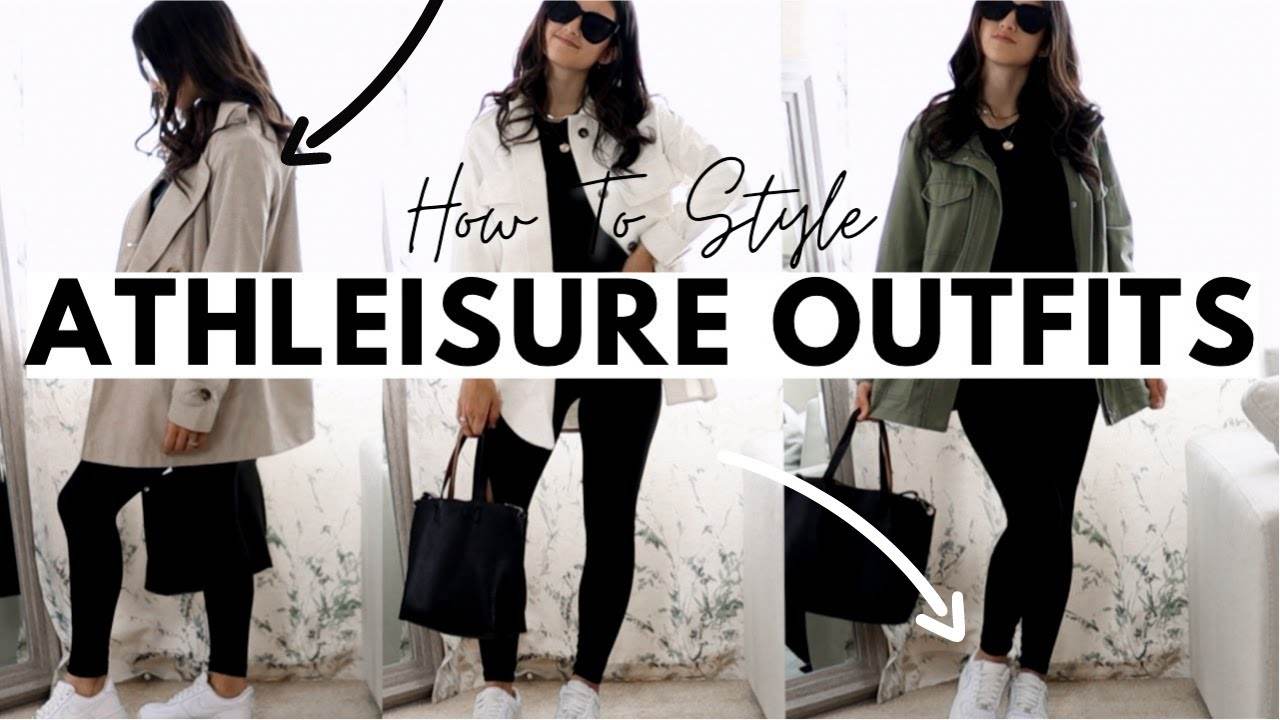
    One of the most classic athleisure outfit ideas is pairing black leggings with an oversized hoodie. This look is simple yet stylish.

    Add a pair of sneakers from Nike or Adidas and a crossbody bag for a casual day out. This outfit works well for running errands, traveling, or meeting friends.

    Biker Shorts with Crop Top

    Biker shorts have become a major trend in athleisure fashion. Pairing biker shorts with a fitted crop top creates a sporty yet fashionable look.

    Celebrities such as Kim Kardashian have popularized this trend by incorporating biker shorts into everyday outfits.

    Adding a denim jacket or oversized blazer can elevate this look even further.

    Joggers with Sports Bra and Jacket

    Another stylish athleisure outfit idea is combining joggers with a sports bra and a lightweight jacket. This outfit is ideal for transitional weather.

    Brands like Under Armour and Lululemon offer stylish jackets that perfectly complement joggers.

    Matching Athleisure Sets

    Matching athleisure sets have become extremely popular. These coordinated outfits usually include leggings or joggers paired with a matching sports bra or sweatshirt.

    Brands such as Gymshark and Alo Yoga frequently release matching sets that combine comfort with sleek design.

    Matching sets create a polished look while still maintaining the relaxed aesthetic of athleisure fashion.

    Athleisure Travel Outfit

    Athleisure is also ideal for travel. Comfortable leggings, a breathable T-shirt, and a zip-up hoodie make the perfect travel outfit.

    Pairing this look with sneakers from New Balance ensures comfort during long flights or road trips.

    Athleisure Accessories to Elevate Your Look

    Accessories can enhance athleisure outfits and make them look more fashionable.

    Caps from Nike or Adidas add a sporty touch to any outfit.

    Stylish backpacks from Herschel Supply Co. or The North Face complement athleisure outfits while providing practicality.

    Smartwatches such as Apple Watch or fitness trackers from Fitbit also blend perfectly with athletic-inspired outfits.

    Why Athleisure Continues to Dominate Fashion

    Several factors contribute to the continued popularity of athleisure outfit ideas. Comfort is one of the biggest reasons people choose athleisure clothing. Performance fabrics used by brands like Nike and Lululemon offer breathability, stretch, and moisture control.

    Another factor is versatility. Athleisure outfits can be worn at the gym, while traveling, or during casual social events. The ability to transition between activities without changing clothes makes athleisure highly practical.

    Additionally, the rise of remote work and flexible lifestyles has made comfortable clothing more acceptable in daily life.

    Tips for Styling Athleisure Outfits

    To create the best athleisure outfit ideas, consider a few styling principles.

    Choose neutral colors like black, gray, and beige to create a versatile wardrobe. Neutral pieces can be easily mixed and matched.

    Layering is another effective styling technique. Adding jackets, hoodies, or oversized shirts can make athleisure outfits more visually interesting.

    Footwear also plays a major role in styling. Trendy sneakers from Adidas or New Balance can transform a simple outfit into a fashionable look.

    The Future of Athleisure Fashion

    The future of athleisure looks promising as fashion brands continue to innovate with sustainable fabrics and smart technology. Companies such as Patagonia and Adidas are already investing in eco-friendly materials and ethical production practices.

    Technology may also play a larger role in athletic clothing. Smart fabrics that track fitness metrics or regulate body temperature could become more common.

    As consumers continue to prioritize health, comfort, and convenience, athleisure outfit ideas will remain a key part of the global fashion industry.

    Conclusion

    Athleisure has transformed the way people think about fashion. What started as simple gym clothing has evolved into a versatile lifestyle trend embraced by millions around the world.

    By combining comfortable fabrics, modern designs, and stylish accessories, athleisure outfit ideas allow individuals to express their personal style while maintaining practicality. With major brands like Nike, Adidas, and Lululemon continuing to innovate, athleisure will likely remain one of the most influential fashion trends for years to come.

  • Vintage Clothing Revival: Why Retro Fashion Is Dominating Modern Style

    Vintage Clothing Revival: Why Retro Fashion Is Dominating Modern Style

    Introduction to the Vintage Clothing Revival

    The concept of vintage clothing revival has become one of the most influential trends in the global fashion industry. In recent years, fashion enthusiasts, designers, and sustainability advocates have embraced vintage fashion as both a stylistic statement and a responsible consumer choice. Vintage clothing refers to garments that were produced in previous decades, typically between the 1920s and the early 2000s, and are valued for their craftsmanship, historical significance, and timeless design.

    Major fashion houses such as Gucci, Chanel, and Dior frequently draw inspiration from archival collections, reviving iconic silhouettes and patterns from earlier decades. At the same time, resale platforms like Depop, eBay, and Etsy have made it easier for consumers to access authentic vintage garments. This growing interest reflects a broader cultural movement toward individuality, sustainability, and appreciation of fashion history.

    The vintage clothing revival is not just about nostalgia; it represents a transformation in how people approach fashion consumption, sustainability, and personal expression.

    The History Behind Vintage Fashion

    Understanding the vintage clothing revival requires exploring the history of fashion trends that shaped modern wardrobes. During the early 20th century, fashion houses in cities like Paris, London, and New York City played a major role in defining global style.

    In the 1920s, designers such as Coco Chanel introduced revolutionary designs that replaced restrictive garments with more comfortable and elegant silhouettes. The 1950s saw glamorous styles popularized by celebrities like Marilyn Monroe, while the 1960s and 1970s embraced bold experimentation influenced by icons like Twiggy and David Bowie.

    During the 1980s and 1990s, designers such as Gianni Versace and Jean-Paul Gaultier pushed fashion boundaries with dramatic designs and vibrant aesthetics. Today, many of these historical styles are resurfacing through the vintage clothing revival, giving new life to old trends.

    The Role of Sustainability in Vintage Fashion

    One of the biggest drivers of the vintage clothing revival is sustainability. The fashion industry is often criticized for its environmental impact, particularly due to fast fashion production. Organizations like United Nations Environment Programme have highlighted the environmental costs of mass clothing production, including water consumption, pollution, and textile waste.

    Vintage clothing provides a sustainable alternative by extending the life cycle of garments. Instead of producing new items, consumers can reuse and repurpose existing clothing. This approach aligns with the concept of Circular Economy, which promotes resource efficiency and waste reduction.

    Brands such as Patagonia and Levi’s have incorporated vintage and resale programs into their business models. For example, Levi’s has introduced initiatives that encourage customers to buy second-hand denim products, reinforcing the importance of sustainable fashion practices.

    The vintage clothing revival therefore represents both a cultural and environmental shift in the fashion industry.

    Social Media and the Rise of Vintage Fashion

    Another major factor contributing to the vintage clothing revival is the influence of social media platforms. Applications like Instagram, TikTok, and Pinterest have become powerful tools for fashion discovery and inspiration.

    Fashion influencers and content creators frequently showcase vintage outfits, styling tips, and thrift store finds. These platforms allow users to explore trends from different decades and learn how to incorporate vintage pieces into modern wardrobes.

    Popular celebrities have also contributed to the vintage trend. Figures such as Zendaya, Harry Styles, and Bella Hadid are often seen wearing archival pieces from brands like Versace and Vivienne Westwood. When celebrities wear vintage garments at major events, it often sparks renewed interest in retro fashion styles.

    As a result, social media has transformed the vintage clothing revival from a niche hobby into a mainstream fashion movement.

    The Appeal of Unique and Timeless Style

    One of the primary reasons people embrace vintage fashion is the desire for individuality. Modern mass production often leads to identical clothing designs across global retail chains. In contrast, vintage clothing offers unique pieces that cannot easily be replicated.

    Vintage garments often feature superior craftsmanship compared to many modern fast-fashion products. Designers in earlier decades focused heavily on fabric quality, tailoring, and durability. This attention to detail makes vintage clothing highly desirable among collectors and fashion enthusiasts.

    Luxury fashion houses such as Yves Saint Laurent and Balenciaga maintain archives of past collections that continue to inspire modern designers. Many contemporary fashion trends, including oversized blazers, high-waisted jeans, and retro prints, originate from earlier decades that are now celebrated in the vintage clothing revival.

    This blend of historical authenticity and modern styling creates a distinctive aesthetic that appeals to fashion-conscious consumers worldwide.

    The Growth of Vintage Fashion Markets

    The rise of the vintage clothing revival has also fueled the growth of global resale markets. Vintage clothing stores, thrift shops, and online marketplaces have become essential components of the fashion ecosystem.

    Major cities such as Tokyo, Los Angeles, and Berlin are known for vibrant vintage shopping districts where collectors can find rare designer pieces and retro garments. Events like the Manhattan Vintage Show attract fashion enthusiasts searching for authentic vintage items.

    Online platforms have further expanded access to vintage fashion. Websites operated by companies like The RealReal and Vestiaire Collective specialize in authenticated luxury resale, allowing buyers to purchase vintage designer items from around the world.

    These developments demonstrate how the vintage clothing revival has evolved into a thriving global industry.

    Tips for Building a Vintage Wardrobe

    For individuals interested in participating in the vintage clothing revival, building a vintage wardrobe can be both exciting and rewarding. The first step is to understand different fashion eras and identify styles that match personal preferences.

    Researching designers such as Christian Dior or Alexander McQueen can help buyers recognize iconic silhouettes and design elements. Visiting thrift stores, flea markets, and vintage boutiques increases the chances of discovering unique pieces.

    When purchasing vintage clothing, it is important to examine fabric quality, stitching, and garment condition. Authentic vintage garments often use durable materials such as wool, cotton, and silk, which can last for decades if properly maintained.

    Another useful strategy is mixing vintage pieces with modern fashion items. Pairing vintage jackets or accessories with contemporary outfits creates a balanced look that reflects both history and modern style.

    The Future of the Vintage Clothing Revival

    The vintage clothing revival is expected to continue growing as consumers become more aware of sustainability and fashion heritage. Educational institutions offering programs in Fashion Design and Fashion History increasingly emphasize the importance of archival research and garment preservation.

    Fashion museums, including the Victoria and Albert Museum in London and the Metropolitan Museum of Art in New York City, frequently showcase vintage collections that inspire modern designers and fashion enthusiasts.

    Additionally, advancements in digital technology allow fashion brands to digitize archives and recreate historical designs for modern audiences. This integration of history and innovation ensures that vintage fashion will remain relevant for future generations.

    Conclusion

    The vintage clothing revival represents a powerful shift in the global fashion landscape. By embracing vintage garments, consumers celebrate fashion history, promote sustainability, and express individuality through unique styles. Influential designers, celebrities, social media platforms, and resale marketplaces all contribute to the growing popularity of vintage fashion.

    As awareness of environmental issues and fashion heritage continues to expand, the vintage clothing revival will likely remain a defining trend in the industry. Whether through thrift shopping, luxury resale platforms, or archival designer collections, vintage clothing offers a meaningful connection between past and present fashion culture.

  • Minimalist Wardrobe Staples: Building a Timeless and Functional Closet

    Minimalist Wardrobe Staples: Building a Timeless and Functional Closet

    Minimalist fashion has become one of the most influential movements in modern style. Instead of chasing seasonal trends, the minimalist approach focuses on quality, versatility, and timeless design. Influenced by fashion houses like Calvin Klein, Uniqlo, and COS, the concept of minimalist wardrobe staples encourages people to invest in fewer but better pieces that can be mixed and matched easily.

    A minimalist wardrobe is built around essential clothing items that never go out of style. These staples allow individuals to create multiple outfits with a limited number of garments, reducing clutter while maintaining a polished and sophisticated look. Whether you are inspired by designers such as Phoebe Philo or prefer the modern Scandinavian aesthetic seen in brands like Acne Studios, minimalist fashion offers practicality and elegance.

    What Is a Minimalist Wardrobe?

    A minimalist wardrobe is a curated collection of clothing items that are versatile, high-quality, and easy to coordinate. The idea is often associated with the concept of the “capsule wardrobe,” popularized by fashion consultant Susie Faux and later embraced by designer Donna Karan through her famous “Seven Easy Pieces” collection.

    The goal is to reduce the number of items in your closet while increasing outfit possibilities. Instead of buying fast fashion from companies like Zara or H&M every season, minimalist fashion encourages investing in timeless pieces from brands such as Everlane and Theory.

    Minimalist wardrobes typically feature neutral colors such as black, white, beige, navy, and gray. These shades allow every item to work together seamlessly, making daily outfit selection effortless.

    Benefits of Minimalist Wardrobe Staples

    Simplified Daily Dressing

    One of the biggest advantages of minimalist wardrobe staples is simplicity. When your closet contains versatile items, getting dressed becomes quick and stress-free. Style icons like Victoria Beckham and Meghan Markle often rely on minimalist fashion to maintain a refined and consistent style.

    Cost Efficiency Over Time

    Although minimalist fashion often prioritizes quality brands such as Jil Sander and Max Mara, investing in durable clothing reduces the need for constant replacements. A well-made blazer or coat can last many years.

    Sustainable Fashion Choice

    Minimalist wardrobes align closely with sustainable fashion principles. Organizations like Fashion Revolution promote conscious consumerism, encouraging shoppers to buy fewer but higher-quality garments.

    By purchasing durable staples from responsible brands like Patagonia or Eileen Fisher, consumers reduce textile waste and environmental impact.

    Essential Minimalist Wardrobe Staples

    Classic White Shirt

    The classic white shirt is a cornerstone of minimalist fashion. Designers such as Giorgio Armani and Ralph Lauren have consistently incorporated this timeless piece into their collections.

    A high-quality white shirt can be worn in multiple ways. It works perfectly with tailored trousers for formal settings or with denim for a casual yet refined look.

    Tailored Blazer

    A tailored blazer adds instant sophistication to any outfit. Fashion houses like Balenciaga and Saint Laurent have long demonstrated how structured blazers can transform simple outfits into powerful fashion statements.

    Neutral colors such as black, navy, or beige allow the blazer to be worn with multiple outfits.

    Quality Denim Jeans

    Denim jeans are one of the most versatile minimalist wardrobe staples. Brands like Levi’s revolutionized denim fashion with iconic styles such as the 501 jeans.

    A pair of well-fitting jeans can be styled with everything from sweaters to blazers, making them a crucial part of a minimalist wardrobe.

    Neutral T-Shirts

    Simple cotton T-shirts are essential everyday items. Brands like Uniqlo and Everlane are known for producing high-quality minimalist basics.

    Neutral T-shirts in black, white, and gray can be layered under jackets, sweaters, or worn alone for a clean and effortless look.

    Little Black Dress

    The little black dress is a legendary fashion staple introduced by Coco Chanel in the 1920s. Since then, designers such as Karl Lagerfeld and Hubert de Givenchy have reinterpreted this classic piece.

    Its versatility makes it suitable for formal events, office wear, or evening outings with minimal styling adjustments.

    Classic Trench Coat

    The trench coat remains one of the most recognizable minimalist wardrobe staples. Luxury fashion house Burberry popularized the trench coat during the early 20th century.

    This outerwear piece works perfectly during transitional seasons and pairs well with both casual and professional outfits.

    Comfortable Knit Sweater

    A quality knit sweater adds warmth and texture to a minimalist wardrobe. Brands like Loro Piana and Brunello Cucinelli are known for luxurious knitwear made from premium materials such as cashmere.

    Neutral-colored sweaters can be styled with jeans, skirts, or trousers.

    Simple Leather Sneakers

    Footwear also plays a vital role in minimalist wardrobes. Clean, minimalist sneakers from brands like Common Projects or Adidas offer both comfort and style.

    The iconic Adidas Stan Smith sneaker is often recommended by stylists for minimalist wardrobes because of its timeless design.

    Structured Handbag

    A minimalist wardrobe benefits from a versatile handbag that works for various occasions. Brands like Celine, Prada, and Hermès produce classic handbag designs known for durability and elegance.

    A structured leather bag in neutral tones such as black or tan complements most outfits.

    How to Build a Minimalist Wardrobe

    Start With a Closet Audit

    The first step toward building a minimalist wardrobe is evaluating your current clothing collection. Many people discover that they own dozens of items from retailers like Forever 21 that are rarely worn.

    Removing unnecessary items helps create space for timeless wardrobe staples.

    Focus on Neutral Color Palettes

    Minimalist wardrobes typically rely on neutral color schemes. Shades like black, white, navy, gray, and beige allow pieces to be combined effortlessly.

    Designers such as Helmut Lang and Jil Sander are known for their mastery of neutral minimalist aesthetics.

    Invest in Quality Fabrics

    High-quality fabrics ensure that minimalist wardrobe staples last longer. Natural materials such as cotton, wool, silk, and cashmere are preferred by luxury brands like Bottega Veneta.

    Quality fabrics not only last longer but also maintain their appearance after repeated wear.

    Prioritize Versatility

    When selecting minimalist staples, versatility is key. A single garment should work in multiple outfit combinations.

    For example, a tailored blazer inspired by the designs of Tom Ford can be worn with jeans, skirts, or formal trousers.

    Minimalist Fashion Influencers and Inspiration

    Many modern celebrities and designers promote minimalist fashion. Public figures like Kendall Jenner, Rosie Huntington-Whiteley, and Angelina Jolie often showcase clean silhouettes and neutral color palettes.

    Similarly, fashion publications such as Vogue and Business of Fashion frequently highlight minimalist wardrobes as a growing trend within the global fashion industry.

    The Future of Minimalist Wardrobes

    As consumers become more aware of sustainability and responsible consumption, minimalist fashion continues to gain popularity. Major retailers like Uniqlo and Everlane increasingly promote capsule collections designed to last longer and reduce environmental waste.

    Digital platforms such as Pinterest and Instagram also play a role in spreading minimalist fashion inspiration through capsule wardrobe guides and outfit ideas.

    Conclusion

    Minimalist wardrobe staples represent a practical and stylish approach to modern fashion. By focusing on timeless pieces such as white shirts, tailored blazers, denim jeans, and trench coats, individuals can build a versatile wardrobe that simplifies daily dressing.

    Inspired by iconic designers like Coco Chanel and supported by contemporary brands such as Everlane and Uniqlo, minimalist fashion continues to shape the way people approach clothing. Instead of accumulating countless trend-driven items, a carefully curated collection of wardrobe staples ensures lasting style, sustainability, and confidence.

  • The Ultimate Guide to Luxury Handbag Collections

    The Ultimate Guide to Luxury Handbag Collections

    Luxury handbag collections represent a fusion of style, craftsmanship, heritage, and status. For fashion lovers, these coveted accessories are more than just functional items; they are investments, statements of personal style, and reflections of sartorial excellence. Among the most celebrated designers and maison houses, names like Chanel, Hermès, Louis Vuitton, and Gucci stand at the pinnacle of desirability. In this definitive guide, we explore what makes luxury handbags worth owning, the iconic pieces that shaped fashion history, and how to curate your own timeless collection.

    What Defines a Luxury Handbag

    A luxury handbag goes beyond mere utility; it embodies artisan skill, premium materials, exclusive design, and enduring allure. Unlike mass‑produced bags, luxury pieces are often handcrafted, use the finest leathers—such as lambskin, grained calfskin, and exotic skins—and are backed by storied fashion houses with decades, if not centuries, of legacy. For example, the Hermès Birkin is known for its meticulous stitching and exceptional quality control, making it as much a work of art as it is an accessory. Similarly, the Chanel Classic Flap Bag is revered for its quilted leather and interlocking CC clasp that instantly signifies elegance and tradition.

    Why Luxury Handbags Are Worth the Investment

    One of the key benefits of investing in luxury handbags is their long‑term value retention. High‑end pieces frequently maintain—or even appreciate in value—over time. Auctions and resale markets have shown that bags like the Hermès Kelly and Birkin can command prices far above their original retail cost. Beyond financial value, luxury handbags also offer lasting utility. Superior craftsmanship means they withstand regular use without compromising structure or finish. These bags become staples in wardrobes, capable of transitioning from casual day wear to red‑carpet evening flair.

    Most Iconic Luxury Handbag Collections

    Chanel Classic Flap and 2.55 Reissues

    The Chanel Classic Flap and 2.55 Reissue are perhaps the most instantly recognizable handbags in fashion history. Coco Chanel introduced the 2.55 in February 1955, pioneering the shoulder bag concept for women. Its quilted pattern and chain strap revolutionized handbag design. The Classic Flap, evolved from the original 2.55, added the interlocking CC logo and became a timeless staple. Collectors often seek vintage versions of these bags for their historical relevance and unique detailing.

    Hermès Birkin and Kelly

    The Hermès Birkin and Kelly are two of the most exclusive handbags in the world. The Birkin was inspired by actress Jane Birkin and has become synonymous with luxury status and investment value. Each Birkin is handcrafted by a single artisan, often taking many hours to complete. The Kelly, named after Grace Kelly, the Princess of Monaco, is equally revered for its sleek design and sophisticated structure. Limited availability and bespoke customization options add to their allure.

    Louis Vuitton Monogram and Iconic Silhouettes

    The Louis Vuitton monogram canvas is one of fashion’s most replicated patterns, yet authentic pieces remain highly desirable. Louis Vuitton’s handbag collections include classics like the Neverfull, Speedy, and Alma, each known for durability and timeless appeal. The Neverfull, a spacious tote, has become a favorite among fashion bloggers and everyday style icons alike. Louis Vuitton continually refreshes its classic silhouettes with seasonal prints and collaborations that retain the house’s heritage.

    Gucci Dionysus and Marmont Series

    The Gucci Dionysus and Marmont collections embody modern luxury. The Dionysus line, distinguished by its textured tiger head closure, blends bold design with practicality. The Marmont series features chevron quilting and oversized GG hardware, offering a contemporary twist on classic motifs. Gucci’s creative director has revitalized the brand, making its handbag collections globally sought after, especially among younger luxury consumers.

    Saint Laurent and Contemporary Elegance

    Saint Laurent (YSL) handbags are recognized for their minimalist yet edgy aesthetic. The iconic Kate and Loulou bags showcase sleek silhouettes, Y‑shaped hardware, and luxurious leather choices. Saint Laurent’s design philosophy emphasizes understated confidence, making its handbag collection ideal for those who prefer sophisticated elegance over overt branding.

    How to Choose the Right Luxury Handbag for Your Collection

    Selecting the perfect luxury handbag involves several considerations. First, assess your personal style. Are you drawn to classic elegance, contemporary design, or bold statements? For timeless versatility, pieces like the Chanel Classic Flap or Louis Vuitton Neverfull are excellent choices. If you value investment potential, rare items like Hermès Birkin handbags should be prioritized. Consider the handbag’s size and function: totes and shoulder bags are practical for daily use, while clutches and mini bags are suited for evening occasions.

    Material quality is another important factor. Full‑grain leather and exotic skins deliver remarkable durability and unique patinas over time. Pay attention to hardware and stitching, as these details influence longevity and performance. Finally, research availability and release history, since limited editions and seasonal designs often carry higher resale value.

    Caring for Your Luxury Handbags

    Proper care prolongs the beauty and lifespan of luxury handbags. Store bags upright in dust bags and avoid exposing them to direct sunlight for extended periods. Clean leather surfaces with products recommended by the brand or a professional leather specialist. Beware of moisture and humidity, which can damage delicate materials. Regular maintenance, such as conditioning and gentle cleaning, helps preserve texture and color.

    The Resale Market and Authentication

    The luxury handbag resale market has seen tremendous growth, driven by collectors and sustainability‑minded consumers. Platforms specializing in authenticated luxury goods allow owners to sell or trade bags safely. Authenticity is paramount, as counterfeit handbags flood the market. Many luxury brands include serial numbers, authenticity cards, and unique identifiers to help verify genuine items. When purchasing pre‑owned handbags, work with trusted retailers or authentication services to ensure quality and legitimacy.

    Trends in Luxury Handbag Collections

    In recent years, the luxury handbag landscape has evolved. Sustainability and eco‑friendly materials are increasingly important, with designers exploring recycled leathers and innovative alternatives. Personalized and bespoke options are also trending, allowing collectors to customize colors, hardware, and monograms. Collaborations between luxury brands and artists bring fresh creativity to classic designs, attracting a new generation of fashion enthusiasts.

    Conclusion

    Luxury handbag collections represent the epitome of style, craftsmanship, and aspiration. From the iconic Hermès Birkin and Chanel Classic Flap to modern favorites like Gucci Dionysus and Saint Laurent Loulou, these bags are more than accessories; they are enduring symbols of fashion excellence. Whether you are building a collection, investing in high‑value pieces, or simply seeking the perfect everyday bag, understanding the heritage, value, and design of luxury handbags will guide your choices and elevate your personal style.

  • Streetwear Essentials: The Ultimate Guide for 2026

    Streetwear Essentials: The Ultimate Guide for 2026

    Streetwear culture has grown from a niche urban movement into a global fashion phenomenon. Understanding streetwear essentials is vital for anyone looking to build a versatile and stylish wardrobe that reflects both comfort and contemporary style. Whether you are new to streetwear or refining your aesthetic, this guide will walk you through the core pieces, influential brands, styling tips, and the cultural significance behind this enduring trend.

    What Is Streetwear?

    Streetwear is a fashion genre rooted in the casual apparel worn by youth subcultures and influenced by skateboarding, hip‑hop, and contemporary art. It merges comfort with self‑expression, often incorporating graphic designs, bold logos, and high‑quality materials. Streetwear is more than clothing; it is a cultural language that speaks through carefully selected basics and statement pieces that define one’s identity.

    The Foundation: Streetwear Essentials Explained

    Defining streetwear essentials means identifying the key pieces that form the backbone of any streetwear wardrobe. These are versatile, often minimalist items that can be mixed and matched to create numerous outfits while maintaining a cohesive, contemporary look.

    Hoodies and Sweatshirts

    A good hoodie or sweatshirt is at the heart of streetwear fashion. Brands like Nike and Adidas are synonymous with comfortable, high‑quality hoodies that pair perfectly with jeans, joggers, or layered under jackets. For those seeking a more street‑centric edge, pieces from Supreme often feature bold graphics and limited releases that add cultural value and hype.

    T‑Shirts and Graphic Tees

    T‑shirts are essential, but in streetwear, graphic tees make the statement. Brands like Stussy and BAPE are known for bold prints and iconic logos. A well‑chosen graphic tee can elevate a simple outfit into a standout look. Incorporating tees with artistic prints, slogans, or brand logos keeps your streetwear wardrobe fresh and expressive.

    Joggers and Cargo Pants

    Comfort is key in streetwear, which is why joggers and cargo pants are essentials. Pieces from Carhartt WIP blend utility with aesthetics, featuring durable materials and functional pockets. Joggers from Puma offer athletic yet stylish options. Cargo pants, with their utilitarian design, provide a relaxed silhouette that pairs well with hoodies and oversized tees.

    Denim and Streetwear Jeans

    Denim never goes out of style. Streetwear has embraced relaxed fits, distressed styles, and vintage washes. Brands like Levi’s remain classics, while designer‑streetwear hybrids from Off‑White inject modern flair. Choosing denim with a loose or tapered fit can balance out bulkier tops for a well‑proportioned look.

    Footwear: The Cornerstone of Streetwear

    Footwear in streetwear is more than a complement; it is often the focal point of an outfit. Sneakers, in particular, carry cultural weight and can dictate the overall vibe of your style.

    Sneaker Culture and Must‑Have Shoes

    Sneaker culture intersects with streetwear at every level. Silhouettes like the Nike Air Force 1 and Adidas Superstar are timeless and versatile, making them staples for both newcomers and seasoned enthusiasts. For those chasing hype and exclusivity, drops from Jordan Brand or limited editions from New Balance can add rarity and street cred to your collection.

    High‑top sneakers, retro runners, and chunky dad shoes offer stylistic options that adapt to various outfits. When building your sneaker rotation, consider balancing classics with trendier releases to keep your streetwear game fresh and relevant.

    Outerwear: Layering With Style

    Outerwear is essential for function and fashion, especially in unpredictable weather. Streetwear outerwear often balances practicality with bold designs.

    Jackets and Hooded Layers

    A classic bomber jacket from Alpha Industries adds structure to relaxed outfits. Utility jackets from The North Face support layering and performance while maintaining streetwear credibility. An oversized denim jacket or a sleek leather jacket can instantly elevate a basic tee and joggers into a curated streetwear look.

    Windbreakers and varsity jackets also play a key role. Their relaxed silhouettes and vibrant colors offer contrast and depth, making them adaptable for both casual days and urban nights.

    Accessories: Small Details, Big Impact

    Accessories in streetwear play a vital role in refining an outfit and expressing individuality. They may seem minor, but the right pieces can significantly enhance your overall look.

    Hats and Caps

    Caps from brands like New Era are staples in streetwear. Whether it’s a classic 59FIFTY fitted cap or a relaxed dad hat, headwear adds personality and frames the face. Beanies in monochrome tones or branded designs are perfect for colder months, pairing well with layered outfits.

    Bags and Backpacks

    Functional accessories like backpacks and crossbody bags are both practical and stylish. Streetwear brands such as Herschel Supply Co. offer minimalist designs, while pieces from Eastpak provide rugged utility. Bags add an extra layer of texture and can tie together an entire outfit when chosen thoughtfully.

    Socks and Belts

    Socks are often overlooked but are essential in creating cohesion, especially when wearing low‑top sneakers. High socks with subtle branding or bold patterns complement cropped pants and joggers. Belts, whether simple black leather or branded canvas, can accentuate your waistline and complete your silhouette.

    How to Build a Streetwear Capsule Wardrobe

    A capsule wardrobe focuses on quality over quantity. Start with fundamental basics and gradually introduce statement pieces. Here’s a sample breakdown:

    1. Three Hoodies/Sweatshirts: Include a neutral base (black, grey) and one statement piece with graphics.
    2. Four T‑Shirts: Mix plain basics with bold graphic tees.
    3. Two Pairs of Pants: One pair of denim and one pair of joggers or cargo pants.
    4. Footwear Rotation: One classic sneaker, one seasonal choice (like boots in winter), and one fashion sneaker for versatility.
    5. One Jacket: A durable outerwear piece that suits your climate.
    6. Accessories: One hat, one bag, and curated socks/belts to tie everything together.

    Streetwear Trends and Sustainability

    In 2026, sustainability has become an integral part of fashion, including streetwear. Brands are increasingly adopting eco‑friendly materials, ethical production, and transparency. Incorporating sustainable pieces into your wardrobe not only aligns with cultural values but also ensures longevity in your collection.

    Brands such as Patagonia are known for environmental commitment, while larger labels are releasing sustainable lines that use recycled fibers and low‑impact dyes. Choosing classic pieces that transcend fleeting trends will reduce waste and make your fare more timeless.

    Styling Tips: Combining Essentials for Maximum Impact

    To master streetwear, understanding balance and proportion is key. Pair oversized hoodies with tapered joggers to create an intentional silhouette. Layer a graphic tee under a structured jacket for depth. Use accessories like a crossbody bag to break up monochrome outfits and introduce texture.

    Streetwear thrives on individuality, so don’t be afraid to experiment. Mix high‑end pieces with classic budget‑friendly options. Let your wardrobe be a canvas for personal expression rather than just following rules.

    Conclusion

    Streetwear essentials form the backbone of a modern, versatile wardrobe. By investing in foundational pieces—from hoodies and graphic tees to timeless sneakers and strategic accessories—you can create looks that reflect style, comfort, and personality. Embrace the cultural roots of streetwear, stay informed about trends, and let your collection grow organically with your aesthetic.

    Building a streetwear wardrobe is not just about collecting items; it’s about curating a lifestyle that resonates with your values and fashion sensibilities. Start with the essentials, explore the world of influential brands, and evolve your streetwear identity with confidence.

  • Sustainable Fashion Trends: The Future of Responsible Style

    Sustainable Fashion Trends: The Future of Responsible Style

    Sustainable fashion has transformed from a niche movement into a mainstream priority for designers, brands, and consumers worldwide. As environmental concerns and ethical awareness grow, the fashion industry is undergoing a profound shift toward mindful production and consumption. In this article, we explore the top sustainable fashion trends shaping the industry, highlight innovative practices, and explain how consumers can participate in responsible style. Sustainable fashion is more than a trend—it is a global movement that integrates environmental stewardship, social justice, and economic resilience. This article will help you understand the key principles driving this movement and why they matter for your wardrobe and the planet.

    What Is Sustainable Fashion?

    Sustainable fashion refers to the practice of producing, marketing, and using clothing in ways that minimize environmental harm and promote social responsibility. Sustainable fashion is grounded in reducing waste, lowering carbon emissions, using eco‑friendly materials, and ensuring fair labor practices. It stands in contrast to Fast fashion, which prioritizes rapid production cycles and low costs at the expense of environmental integrity and worker welfare. The rise of sustainable fashion reflects growing consumer demand for products that align with personal values of sustainability and ethical consumption.

    Why Sustainable Fashion Matters

    The fashion industry is one of the world’s most resource‑intensive sectors, responsible for significant greenhouse gas emissions, water consumption, and waste generation. According to global environmental studies, the apparel industry produces more emissions than international flights and maritime shipping combined. Additionally, textile waste fills landfills at staggering rates, while synthetic fibers contribute to microplastic pollution in oceans. These challenges underscore the urgency of sustainable fashion approaches that reduce environmental harm, promote circular systems, and encourage ethical practices throughout supply chains.

    Trend 1: Eco‑Friendly Materials

    One of the most impactful sustainable fashion trends is the adoption of eco‑friendly materials. Traditional textiles like conventional cotton and polyester have heavy environmental footprints due to pesticide use, water consumption, and fossil fuel‑based production. In contrast, sustainable materials are sourced and manufactured with lower impact. Examples include Organic cotton, Hemp fabric, and Tencel. Organic cotton uses significantly less water and avoids harmful pesticides, while hemp is highly durable and requires minimal resources. Tencel, derived from sustainable wood pulp, is produced using closed‑loop systems that recycle nearly all solvents. These materials contribute to long‑lasting clothing and promote a reduction in waste and pollution.

    Trend 2: Circular Fashion and Recycling

    Another major sustainable fashion trend is Circular economy practices within apparel. Circular fashion aims to extend the life cycle of garments through recycling, repair, resale, and repurposing. Rather than discarding clothing after limited use, circular fashion encourages consumers and brands to adopt systems that keep textiles in use longer. Brands like Patagonia and Stella McCartney have embraced take‑back programs, recycling initiatives, and design for durability. Circularity also includes regenerative agriculture for natural fibers and closed‑loop recycling systems that transform old garments into new fabric. This trend reduces landfill waste and conserves raw materials, aligning fashion with sustainable resource management.

    Trend 3: Slow Fashion Movement

    Contrasting with fast fashion, the Slow fashion movement emphasizes quality over quantity, celebrating handcrafted garments, timeless design, and ethical labor. Slow fashion encourages consumers to buy less, choose better, and make clothing last. This approach supports local artisans and transparent supply chains, often reflecting cultural traditions and sustainable craftsmanship. Many independent brands and designers are leading this movement, prioritizing durability, repairability, and meaningful design. Slow fashion resonates with consumers who view their wardrobe as an investment rather than disposable goods.

    Trend 4: Ethical Labor and Fair Trade

    Sustainable fashion is not only about environmental impact—it also emphasizes human rights and ethical labor. Ethical fashion ensures that workers involved in garment production receive fair wages, safe working conditions, and respect for their rights. Fair trade certification is a key component of this trend, guaranteeing that products meet social and economic standards. Brands that adopt fair trade practices often collaborate with cooperatives and community‑based producers, empowering workers and creating more equitable supply chains. Consumers increasingly seek transparency, demanding that their clothing reflects both environmental care and social responsibility.

    Trend 5: Digital Innovation and Transparency

    Technology is playing a pivotal role in sustainable fashion. Digital tools such as blockchain, traceability platforms, and material passports enhance transparency throughout the supply chain. These innovations allow consumers to track the origin of their clothing, understand manufacturing practices, and verify sustainability claims. Brands are increasingly using digital storytelling to communicate their sustainability efforts, from sourcing to production to delivery. Transparent data builds trust and enables informed consumer choices, reinforcing accountability within the industry.

    Trend 6: Rental, Resale, and Sharing Platforms

    The rise of rental and resale fashion platforms is another prominent trend. Services that facilitate clothing rental or second‑hand sales help reduce demand for new production and extend the lifespan of garments. Online marketplaces specializing in pre‑owned fashion have grown rapidly, appealing to budget‑conscious and eco‑aware consumers alike. Renting special‑occasion attire or seasonal pieces reduces waste while expanding access to diverse styles. These platforms also support circular fashion by keeping garments in circulation for longer periods.

    Trend 7: Biodegradable and Low‑Impact Dyes

    Traditional textile dyes can contain toxic chemicals that pollute water systems and harm ecosystems. Sustainable fashion trends include using biodegradable and low‑impact dyes derived from natural sources such as plant extracts and minerals. Brands committed to low‑impact dyeing techniques reduce chemical use, minimize wastewater pollution, and protect local communities near manufacturing facilities. Innovations in dye technology, such as waterless dyeing and digital printing, further reduce resource consumption and environmental impact.

    Trend 8: Minimalist and Timeless Design

    Minimalist and timeless design principles complement sustainable fashion by encouraging purchases that transcend trends. Instead of buying seasonal, trend‑driven pieces, consumers are embracing classic silhouettes, neutral colors, and versatile garments that withstand changing fashion cycles. This approach reduces impulse purchases and clothing turnover, resulting in a smaller environmental footprint. Timeless design aligns with sustainable values by promoting longevity and discouraging disposable fashion.

    Trend 9: Consumer Education and Advocacy

    Successful sustainable fashion movements depend on informed consumers who understand the environmental and social implications of their choices. Brands, influencers, and organizations are investing in consumer education through campaigns, documentaries, and social media content. Topics such as textile waste, chemical pollution, and ethical sourcing are becoming mainstream conversations. Educated consumers are better equipped to demand sustainability commitments from brands and make purchasing decisions that reflect their values.

    Trend 10: Corporate Sustainability Goals

    Large fashion corporations are increasingly setting ambitious environmental and social goals in response to consumer and regulatory pressure. Many companies have committed to reducing carbon emissions, increasing the use of sustainable materials, and achieving supply chain transparency by specific target dates. These corporate sustainability goals are often aligned with global frameworks such as the United Nations’ Sustainable Development Goals (SDGs). Commitment to measurable progress signals accountability and drives industry‑wide shifts toward more sustainable practices.

    How Consumers Can Embrace Sustainable Fashion

    As sustainable fashion trends evolve, consumers play a crucial role in shaping the future of the industry. Here are practical ways to integrate sustainable practices into your wardrobe: buy fewer but higher‑quality items, support ethical and transparent brands, choose clothing made from sustainable materials, participate in clothing swaps and resale markets, repair and upcycle garments, and educate yourself about the environmental and social impacts of fashion. Every purchase is a vote for the kind of industry you want to support.

    Conclusion

    Sustainable fashion is no longer a fringe concept—it has become a defining trend in the global apparel industry. From eco‑friendly materials and circular systems to ethical labor practices and digital transparency, these sustainable fashion trends are transforming how clothes are made, sold, and worn. As consumers, your choices drive demand for responsible fashion and help accelerate industry change. Embrace sustainability not just as a trend, but as a long‑term commitment to the environment, society, and future generations.